
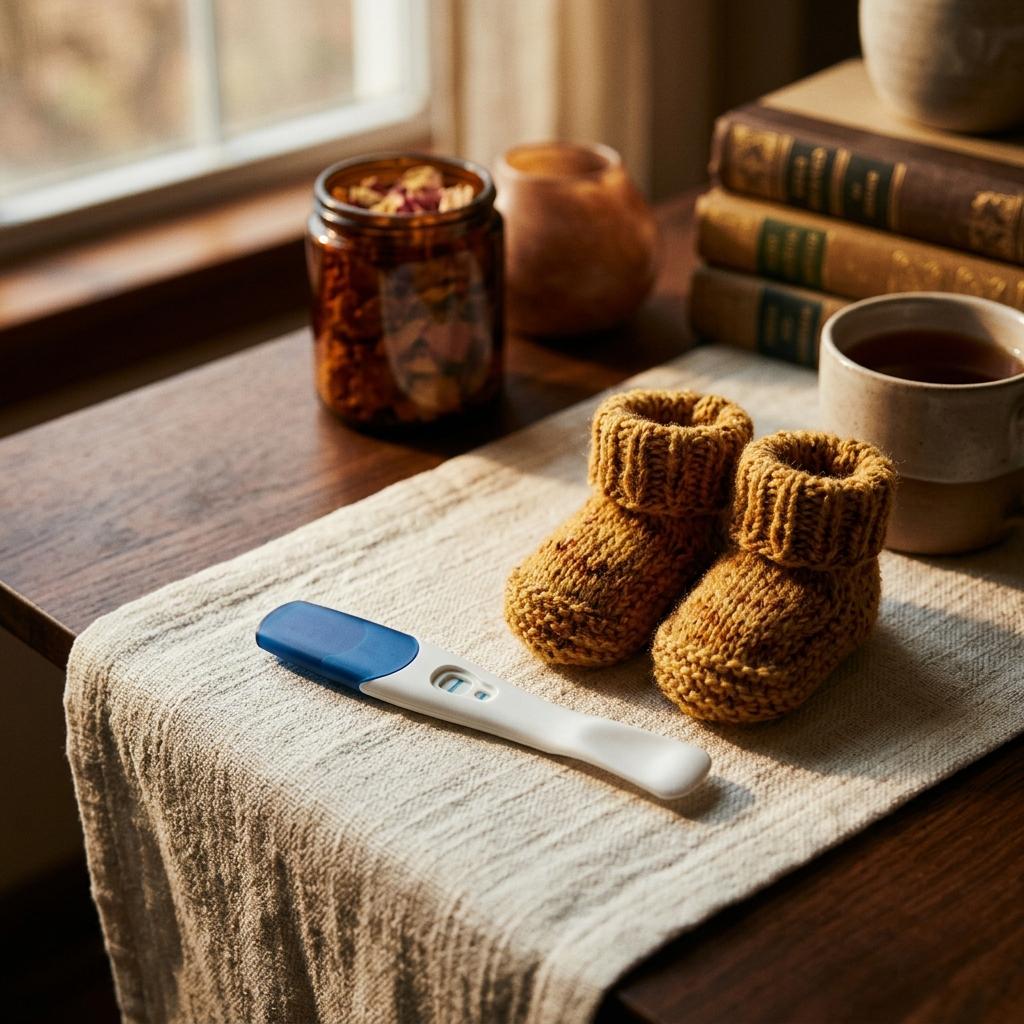
Late period but not pregnant? Causes and how to check
When your period is late, pregnancy is often the first thought, but non-pregnancy causes like stress or ovulation changes are also common. We've outlined when testing is needed.
When your period is late, pregnancy is often the first thing that comes to mind. In our clinic, we frequently receive similar questions, regardless of whether sexual intercourse has occurred. To put it simply, a delayed period doesn't always mean pregnancy, and it's common for periods to be late even with a negative pregnancy test. This is because various factors other than pregnancy can also delay ovulation.
Is a Delayed Period Always Pregnancy?
First, let's address something reassuring: not all delayed periods mean pregnancy. In OB-GYN consultations, a significant number of patients who come in for delayed periods are not pregnant. The menstrual cycle is regulated by hormonal signals between the brain and ovaries, and even a slight disruption in these signals can delay ovulation, leading to a late period.
While a delayed period can be a sign of pregnancy, it's often a signal of other bodily changes. It's better to consider the overall context rather than attributing it to a single cause.
Common Non-Pregnancy Causes of Delayed Periods
If ovulation is delayed or skipped, your period will naturally be delayed as well. Here are common causes frequently observed in our clinic:
- Stress During periods of high tension, such as exam seasons, work pressure, or lack of sleep, the hormonal axis connecting the hypothalamus, pituitary gland, and ovaries can be affected, potentially delaying ovulation.
- Lifestyle Changes Overlapping factors like late-night work, travel, changes in sleep patterns, and jet lag can disrupt ovulation timing, leading to delayed periods.
- Sudden Weight Changes Rapid, extreme dieting, a sudden increase in exercise, or quick loss of body fat can affect hormonal balance.
These causes often resolve naturally in the next cycle with minor lifestyle adjustments. However, if the same pattern recurs, a check-up may be advisable.
Could it be Polycystic Ovary Syndrome (PCOS)?
If your periods are frequently delayed or your cycle is consistently irregular, a link to Polycystic Ovary Syndrome (PCOS) has been reported. In such cases, ovulation may not occur regularly, or cycles can be so irregular that periods might be absent for several months. We recommend checking if the following changes appear together:
- Repeatedly irregular menstrual cycles
- Unexplained weight gain
- Acne or hirsutism (excessive hair growth)
This is not a definitive checklist but rather clues to be examined during a consultation. An accurate diagnosis is made through menstrual pain and irregularity care and hormone tests. If you've had similar concerns for a long time, it might be helpful to see how individuals with recurrent menstrual pain or irregularities typically receive care.
If your symptoms are vague and you're unsure where to start, you can get tailored guidance by asking comfortably about the cause of your delayed period.
When to Check for Pregnancy
Of course, there are situations where checking for pregnancy is a priority. If any of the following apply, it's best to check for pregnancy first:
- If sexual intercourse occurred around the time of ovulation
- If your period is delayed by more than a week past its expected date
- If accompanied by symptoms like breast tenderness, nausea, or a slight fever
Pregnancy tests are known to be more accurate when performed 3 to 5 days after the expected period date. Testing too early might result in a false negative even if you are pregnant, so it's best to recheck after some time.
When the Pregnancy Test is Negative but No Period
As shown in the table, there are cases where a negative result means you can simply wait, and cases where it's better to get it checked out.
When Is It Best to Seek Medical Attention?
There's no need to immediately suspect a major problem just because your period is late. However, in the following cases, identifying the cause can provide peace of mind:
- If your period is delayed by more than 2 weeks
- If menstrual irregularities recur
- If accompanied by lower abdominal pain
At Blanc OB-GYN, to investigate the cause of delayed periods, we conduct hormone tests, confirm pregnancy status, and, if necessary, include a well-woman checkup. If the same symptoms recur, identifying the cause once can help with future management. If you've been postponing check-ups, you might find our guidance for those who have postponed check-ups helpful.
If you're significantly worried about recurrent delayed periods, we recommend discussing it first through consultation for test directions tailored to your symptoms rather than trying to self-diagnose through online searches.
Dr. Lee Eun-jin, Chief Director (Specialized in OB-GYN at Samsung Medical Center, Regular Member of the Korean Society of Obstetrics and Gynecology, Regular Member of the Korean Society of Menopause) Dr. Lee Eun-jin's Profile First Published 2026-03-17 / Last Reviewed 2026-06-17 This article provides general information and guidance. Symptoms and causes vary by individual, so please consult an OB-GYN specialist for accurate diagnosis and treatment.
What the article can't answer, a consultation can
Symptoms vary widely; please confirm with an OB-GYN specialist.