
When should women get checkups? Gynecologic exams by age (Sinnonhyeon Station, Seocho-gu)
Cervical cancer, uterine fibroids, and ovarian cysts often have no early symptoms, making age-specific regular checkups even more crucial when symptoms are absent.
If you thought checkups were only for when you're sick, there's something to reconsider. For women's health, regular checkups are even more important when there are no symptoms.
This is because cervical cancer, uterine fibroids, ovarian cysts, and endometriosis often have no clear symptoms in their early stages. Below, we've summarized what tests are recommended for each age group and at what intervals.
What Does a Women's Health Checkup Examine?
A women's health checkup is a regular gynecological examination that comprehensively assesses the health of the uterus, ovaries, and vagina. In the clinic, rather than undergoing all tests at once, many choose only the necessary items tailored to their age and symptoms.
The basic items typically examined are:
- Cervical cytology test (Pap test)
- HPV test
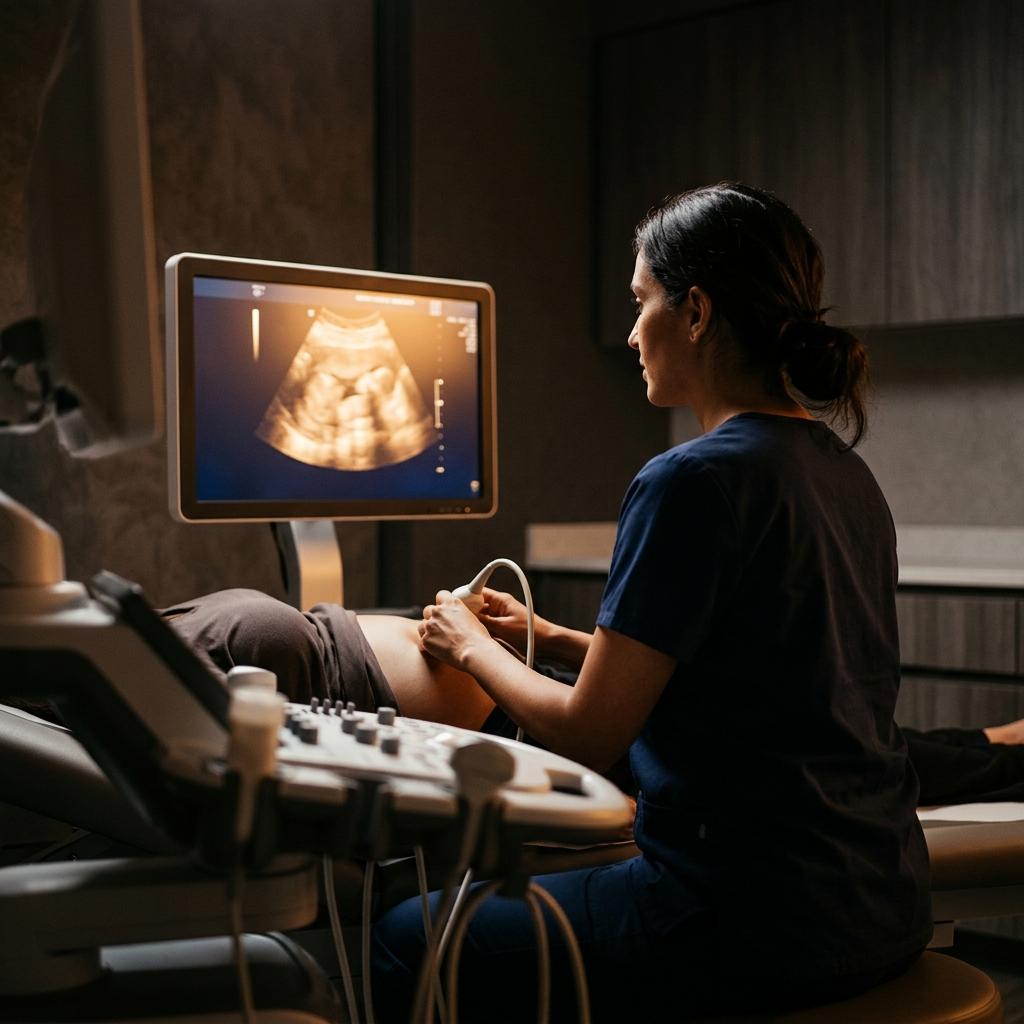
- Uterine and ovarian ultrasound
- Vaginitis test
- Female hormone test
Not everyone needs to undergo the same tests. It is reasonable to reduce unnecessary tests and focus on essential ones, guided by age, lifestyle, and pregnancy plans.
Cervical cytology test and HPV test are representative items for assessing cervical health, and when performed together, they provide complementary information.
Teenagers: Check When Symptoms Appear
For teenagers, rather than regular checkups at fixed intervals, we recommend a consultation when symptoms appear. It's good to get checked if you experience changes such as:
- Irregular menstrual cycles
- Menstrual pain severe enough to disrupt daily life
- Excessively heavy or light menstrual bleeding
- Changes in vaginal discharge, itching, or odor
In such cases, an ultrasound or hormone test may be performed after the consultation, if necessary. Additionally, at this age, consulting about HPV vaccination can be helpful.
20s and 30s: The Time to Start Regular Checkups
After the age of 20, regular women's health checkups are recommended even without specific symptoms. Recommended items include:
- Cervical cytology test (every 1-2 years)
- HPV test
- Uterine and ovarian ultrasound
- Vaginitis test
Especially if you are sexually active, regular cervical cytology tests are important. If you are concerned about menstrual pain or changes in menstrual patterns, you can explore the cause through menstrual disorder care.
After 40s: The Proportion of Detailed Checkups Increases
After the age of 40, the incidence of uterine fibroids, ovarian cysts, and endometriosis is reported to increase along with changes in female hormones. The importance of cancer screening also increases during this period. Recommended items include:
- Cervical cytology test
- HPV test
- Uterine and ovarian ultrasound
- Endometrial examination (if necessary)
- Female hormone test
If menopause-related symptoms due to hormonal changes also appear, you can check your overall health through menopause care and checkup. If referral to a higher-level hospital is needed based on test results, we will guide you accordingly.
How to Determine Checkup Intervals
The recommended checkup intervals by age group are summarized in the table below. Intervals may vary depending on individual health status, family history, and symptoms.
We Recommend a Consultation in These Cases
If any of the following situations apply, we recommend getting checked at a nearby OB/GYN clinic:
- When menstrual flow has noticeably changed recently
- When menstrual pain has suddenly become severe
- When you want to check your uterine condition before planning a pregnancy
- When vaginitis recurs
- When you haven't had a women's health checkup for more than 2 years
If you have postponed checkups for a long time, you can refer to the guidance for those who have postponed checkups to ease your burden. For a comprehensive assessment, a well-woman checkup is also an option.
The key to women's health is not seeking care when you're sick, but managing it before you get sick. Regular women's health checkups are the most basic way to protect uterine health, and having an age-appropriate checkup plan can significantly lighten your mental burden.
Dr. Eun Jin Lee, Chief Director (Samsung Medical Center OB/GYN Residency, Member of Korean Society of Obstetrics and Gynecology, Member of Korean Society of Menopause) Dr. Eun Jin Lee's Profile First Published 2026-01-21 / Last Reviewed 2026-06-17
Checkup items and intervals may vary depending on individual health status, so accurate diagnosis and examination plans should be determined through consultation with an OB/GYN specialist.
What the article can't answer, a consultation can
Symptoms vary widely; please confirm with an OB-GYN specialist.